The instrument itself
Choose the guitar you want to pick up.
Match the strings to the instrument, and try the size in your hands. Official student-model histories are stories, not shopping reviews.
The instrument’s official early history — four courses or six strings, and the modern tuning, kept unblended — is already told on guitar.learntoplay.im. This site is the beginner practice desk. The two desks complement each other and are not copies.
Decide what you want to pick up
A classical (nylon-string) guitar, a steel-string acoustic and an electric guitar are different instruments to hold, and they take different strings. Choose the one you actually want to play, not the one that looks most like a picture of “a guitar.”
Match the strings to the instrument
Steel strings on a guitar designed for nylon can damage it. The gear notes repeat that warning. Follow the maker’s guidance for type and gauge.
Try the size in your hands
Fender’s own student-guitar history says the Musicmaster and Duo-Sonic were short-scale instruments — 22.5 inches against 25.5 inches for the Telecaster and Stratocaster — made for beginners and in-store lessons. A shorter scale is one official way makers have tried to make a first instrument easier to hold. It is not the only option, and official scale figures should be checked on the actual model. [source]
If it is electric, plan for a quiet way to hear it
A practice amplifier, or a headphone option listed in the exact product instructions, is part of the setup. Start at low volume. Yamaha later made a SILENT Guitar™ specifically so players could practise without disturbing others; that official story is on the first folk and quiet-practice page.
Have the instrument checked
A shop or technician can set the action and confirm that the neck, strings and any strap buttons suit the actual guitar. This site cannot inspect an instrument for you.
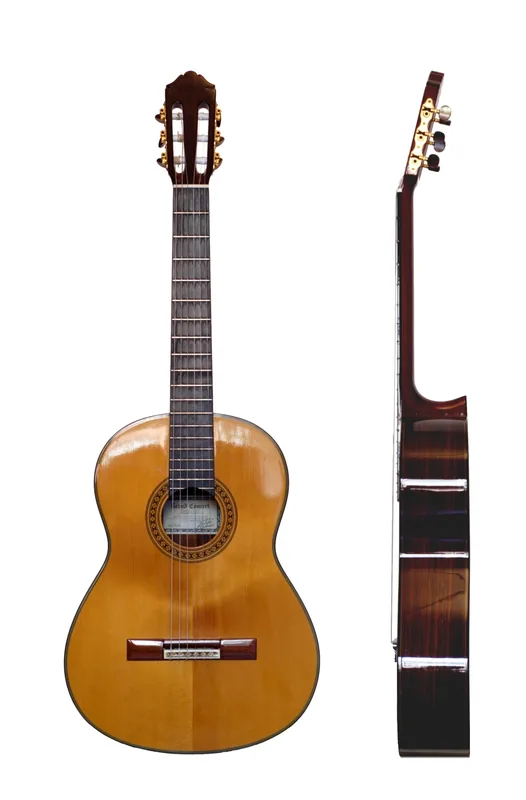
Official maker pages about student models, the FG180 and Martin’s workshop history are stories about how first instruments have been built. They are not reviews of guitars for sale today. Manufacturer links on this site are educational, not affiliate links.
Fender’s student models → · Yamaha FG180 and a silent practice guitar →
Enjoyed a practice desk with working tools, and official firsts kept unblended?
No pop-ups. No intrusive advertising. Just interesting stuff. A little support helps the next ReallyByte site get built.